
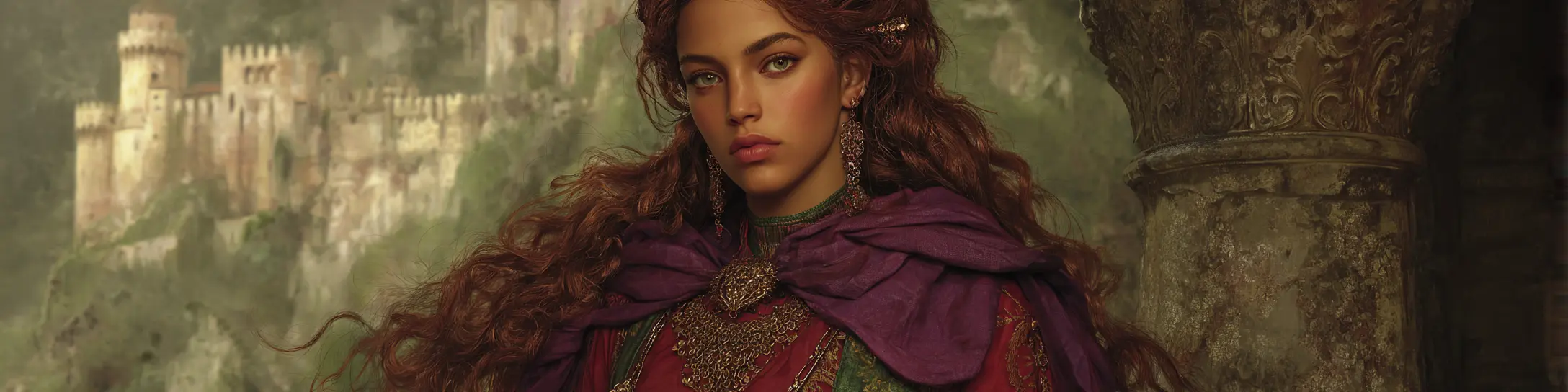
Capes as signifiers of status in Fumaya
In most of Scarterra and most eras of real world Earth, kings and queens only actually wore their physical crowns on rare occasions.
In Kingdom of Fumaya, the king and queen traditionally wear a royal purple cape as a signifier of their royal authority. Lower ranks of the nobility also wear capes color-coded by rank.
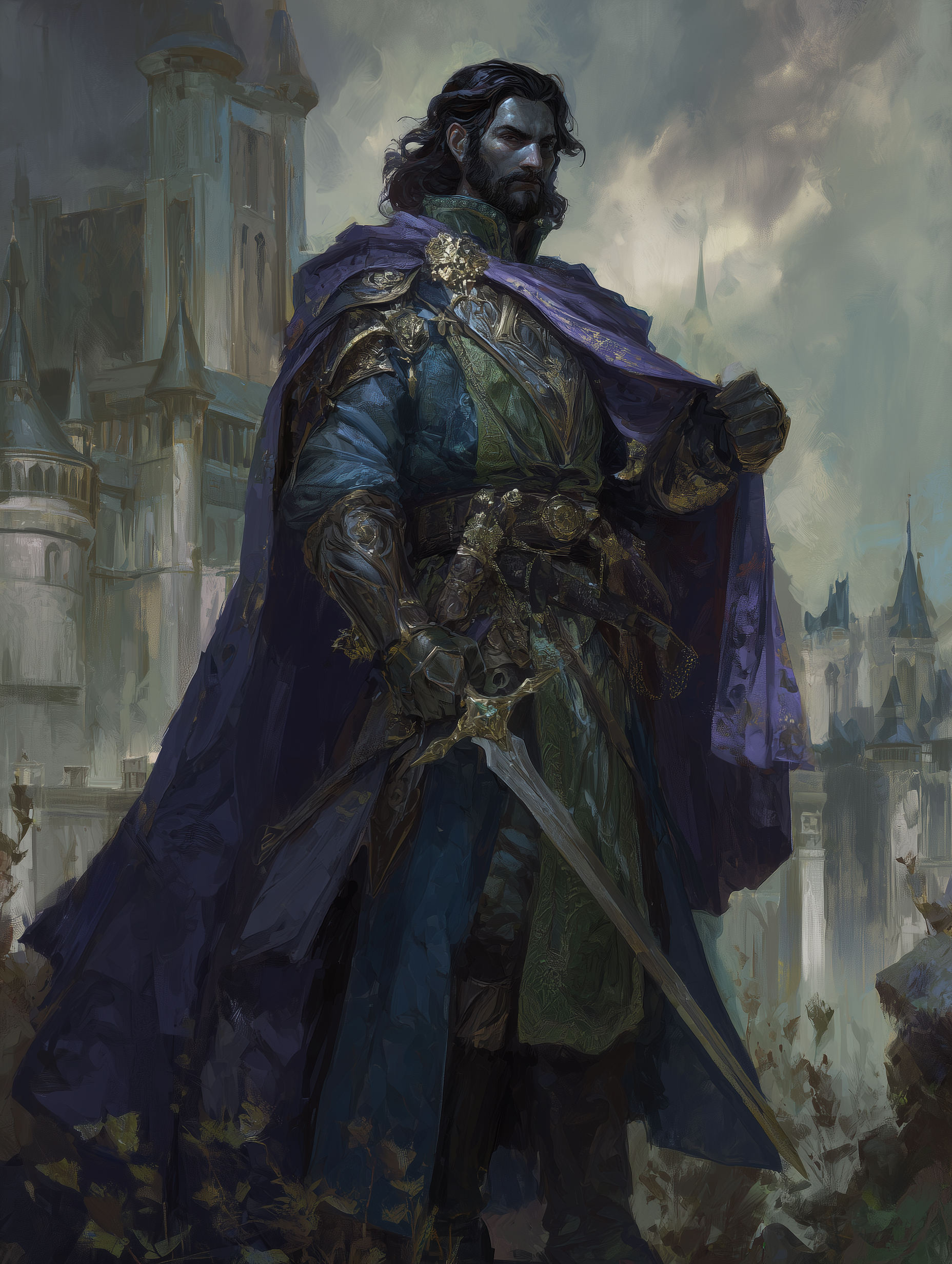
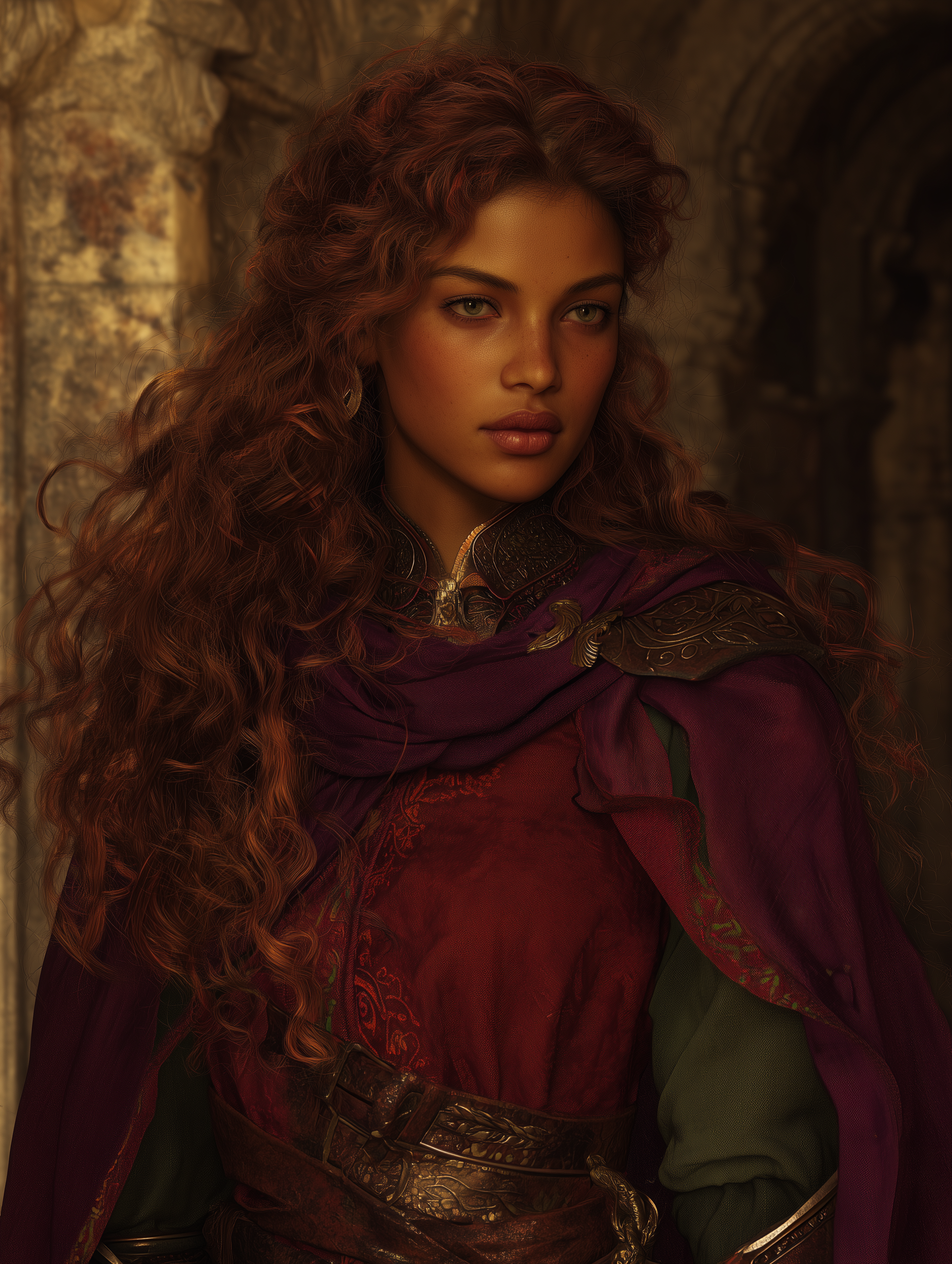 Fumayan laws and norms on clothing that commoners can wear are fairly lax, if a commoner can afford to buy a purple garment, he can wear a purple garment...as long as it's not a cape.
Wearing a cape outside one's status is a crime, normally punishable by having the cape confiscated and then subject to paying a fine in restitution.
Fumayan laws and norms on clothing that commoners can wear are fairly lax, if a commoner can afford to buy a purple garment, he can wear a purple garment...as long as it's not a cape.
Wearing a cape outside one's status is a crime, normally punishable by having the cape confiscated and then subject to paying a fine in restitution.
by Me with Midjourney
History
Cloaks are an extremely common garment in Scarterra, transcending social classes, worn by peasants and princes alike. Capes are generally associated with the upper classes.
The difference between a cape and a cloak is sometimes fuzzy, but a cloak is essentially a wearable blanket, and a cape is a shorter and provide less protection from the elements, intended for fashion rather than function. This is a good video on medieval cloaks if you are interested.
Since purple cloth is very expensive, it is traditionally associated with royalty, and capes are associated with nobility in general. Purple capes for the king and queen was a logical fashion evolution. Early in Fumaya's history, the king and queen wore purple capes as a flex of status, but over time this practice morphed from a simple flex into a formalized badge of office.
Components and tools
Capes make a good accessories noblemen and women because lords and ladies often like to change outfits and capes go with almost everything.
Participants
In Fumaya, capes are generally viewed as unisex fashion accessory.
In Fumaya, the king and queen wear purple capes as signifier of their rank.
Fumayan dukes and duchesses wear deep blue capes as signifiers of their rank.
Fumayan counts and countesses wear vibrant green capes as signifiers of their rank.
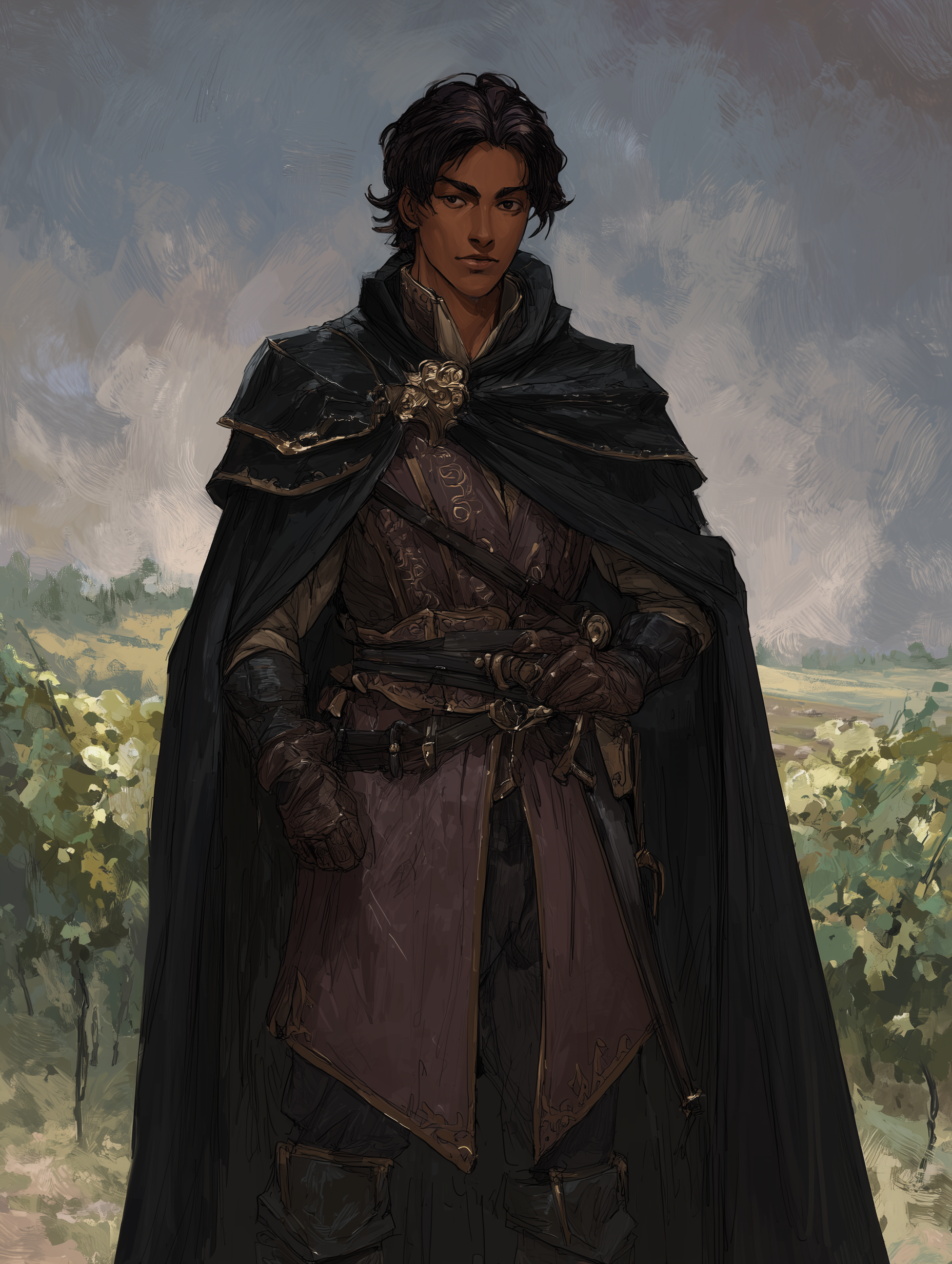
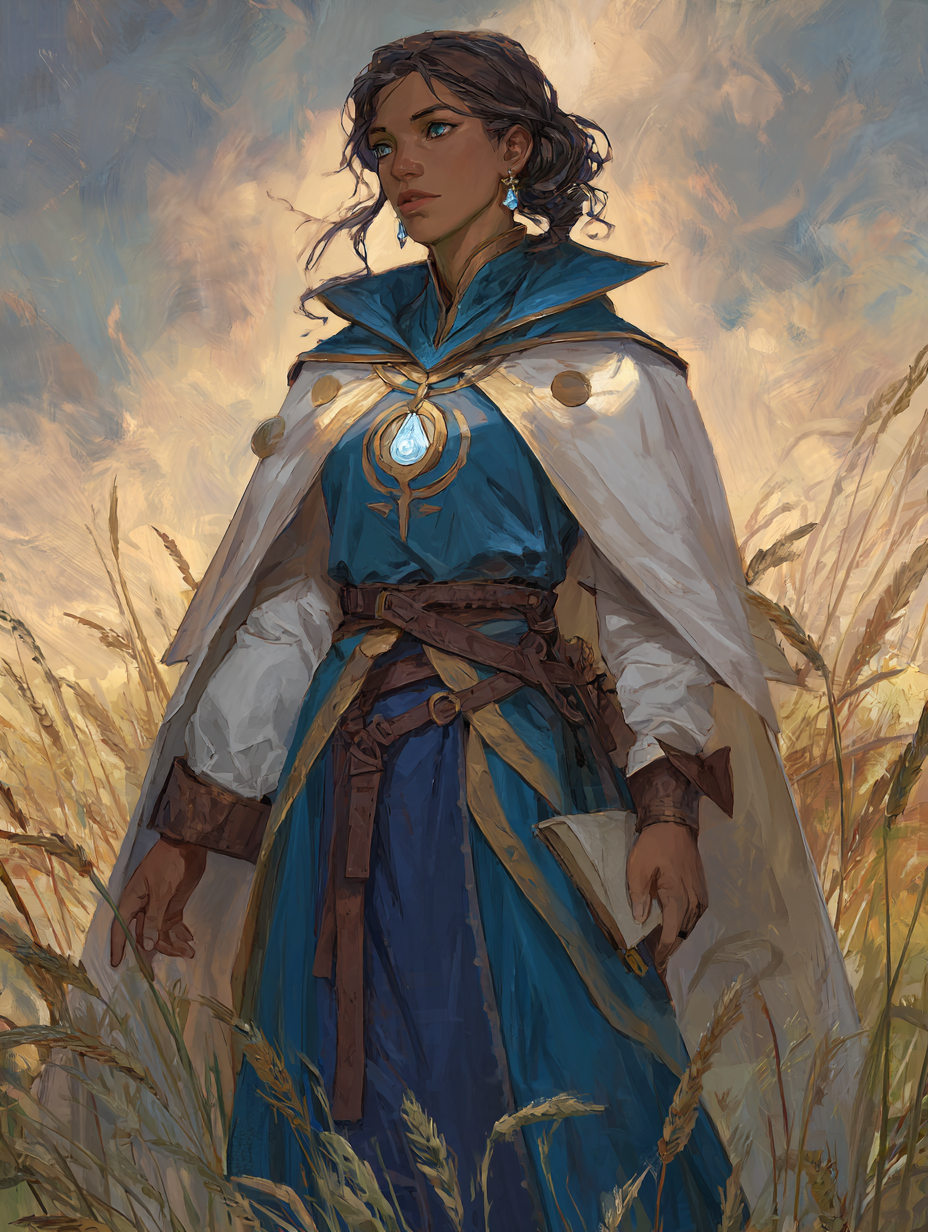
by me with Midjourney
Fumayan nobles who do not own land sometimes wear black capes as a signifier of their rank, though in their case this is a polite suggestion, not a requirement. Most commonly unentitled nobles wear black capes when they hold a formal court position of some sort.
Fumayan Barons and Baronesses also have some creative freedom with their fashion accessories. Some wear black capes, some wear pale blue or pale green capes. Some opt to dispense with capes altogether, especially if they are going for "Man of the People" image.
Some Fumayan priests and priestesses opt to wear white capes, especially if they are working temple duty or participating in a formal event.
Each of Fumaya's priesthood favors a different set of colors to honor their chosen deity, but white is a color associated with the Nine in general and not any specific god or goddess.
A clergyman or woman wearing a white cape outside a temple usually signifies that this person is either of high ecclesiastic rank or he or she is a Purificationist.
by me with Midjourney
Observance
The king or queen putting their cape on their chair indicates "Let's take a recess." (No proper noble takes his fancy cape into the privy). Formal capes are not normally worn while eating. At the start of a banquet, the host removing his or her cape is a signal saying "Guests can all start eating now." Fumayan nobles will often ceremonially remove and carry their capes when entering shrines or temples to signify that "despite my rank, my status is belowthe Nine". Capes aren't normally worn into battle or even in during training because capes are hard to keep clean. They also potentially get caught in things which can be potentially deadly....or so I've been told"-Apogee Jaromir of the Zenith, clerical advisor to King Henrykby Me with Hero Forge"Over the years, the king and queen have put a bit of ceremony into donning of doffing of a cape. Depending on how they remove their cape, this can have any number of implications. If a duke or count is holding court while wearing a cape, the same rules apply because the king sets the norms and his family are eager to copy them. Removing a cape brusquely communicates, "This audience is ended." while removing a case slowly and gently communicates "Let's drop the formalities and speak plainly."

Evolving Traditions
Duke Garland Wiern is the queen's father. After the royal wedding, King Henryk gifted his father-in-law a blue cape with a purple stripe, and Garland treasures that cape greatly. Technically as a duke he is not legally allowed to wear a purple cape, but his cape is still technically not a fully purple cape, and since the cape came from the king, obviously wearing it is not a sign of challenge against the king. Since Garland proudly flaunts his cape at every opportunity, some other nobles are following suit by adding a stripe of a higher status color to their capes provided they have a direct family tie. For instance if a count is linked to a duke by marriage, the count might wear a green cape with a blue stripe.
Primary Related Location
Related Organizations

XD the link to the "NO CAPES" rant!
You can't spend an hour writing about capes and not have Edna Mode shouting in your head.