
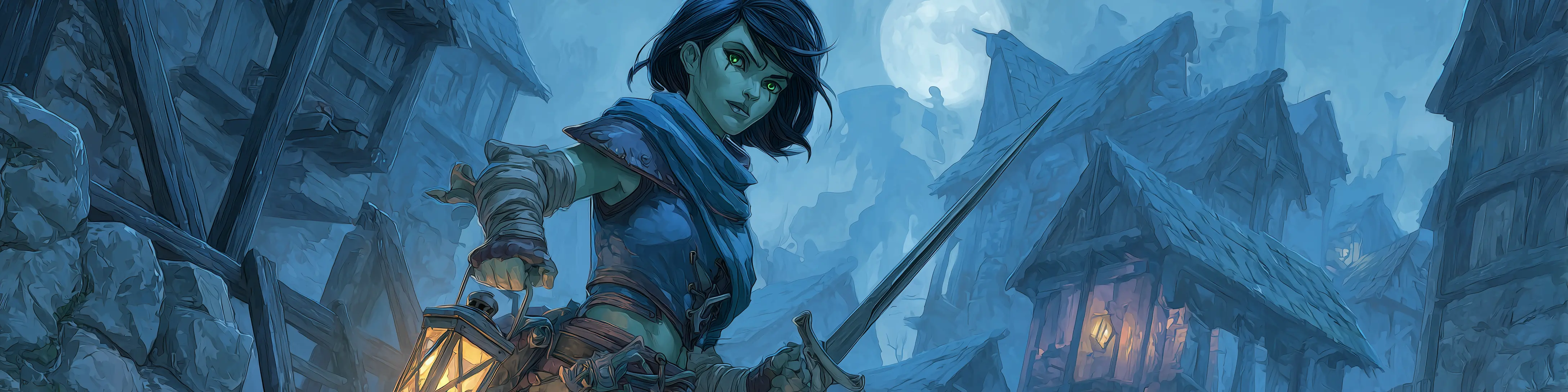
Holding the Powerful Accountable, how the Lanterns play politics
Zarthus is the god of the moon, determined to provide a light in the darkness, both literally and figuratively. Most Zarthus temples are decorated with large numbers of ceremonial lanterns, so much so that Zarthus' priests, priestesses, holy warriors, and clergy are collectively nicknamed "The Lanterns of Zarthus" or simply "The Lanterns".
So what do Lanterns play politics in Zarthus' name?
The Lanterns follow three broad moral imperatives. Help the little guy, encourage art and music, and oppose entrenched or hidden evils...mainly meaning evil rulers.

Zarthus, named by Zeta Gard
History
Lanterns oppose tyranny and oppression in a general sense, but most will name slavery as the worst manifestion of tyranny.
 Historical records are very spotty covering slavery in the First Age and the Second Age, but history is fairly well-documented in the the Third Age.
Slavery was ubiquitous across most of Scarterra in the Red Era, especially during the so-called "Warlord Period" of the Red Era. It didn't matter what race they were, nearly every nation enslaved their defeated enemies whether they be human. goblin, gnome or anything else.
In ancient times the followers of Zarthus were commonly called "Seekers" not "Lanterns". The Seekers were the first Scarterra-wide faction to stake a staunch anti-slavery stance. The Seekers commonly helped slaves escape their bonds. When possible, the Seekers brutally killed slave merchants and slave owners.
Slavery in Scarterra had a slow steady decline as one by one, nations and tribes banned the practice. Now, 18 centuries into the Feudal Era, slavery is pretty rare except for a few isolated pockets. The Lanterns claim that the Seekers desire most/all of the credit for the decline of slavery in Scarterra. Many dispute the Lanterns claim, with varying claims of "Yes, the Seekers were the first anti-slavery activists but the ancestors of my group actually freed more slaves than the Seekers did."
Historical records are very spotty covering slavery in the First Age and the Second Age, but history is fairly well-documented in the the Third Age.
Slavery was ubiquitous across most of Scarterra in the Red Era, especially during the so-called "Warlord Period" of the Red Era. It didn't matter what race they were, nearly every nation enslaved their defeated enemies whether they be human. goblin, gnome or anything else.
In ancient times the followers of Zarthus were commonly called "Seekers" not "Lanterns". The Seekers were the first Scarterra-wide faction to stake a staunch anti-slavery stance. The Seekers commonly helped slaves escape their bonds. When possible, the Seekers brutally killed slave merchants and slave owners.
Slavery in Scarterra had a slow steady decline as one by one, nations and tribes banned the practice. Now, 18 centuries into the Feudal Era, slavery is pretty rare except for a few isolated pockets. The Lanterns claim that the Seekers desire most/all of the credit for the decline of slavery in Scarterra. Many dispute the Lanterns claim, with varying claims of "Yes, the Seekers were the first anti-slavery activists but the ancestors of my group actually freed more slaves than the Seekers did."

 Many Lanterns argue that serfdom is basically slavery with a rebrand, and many would love to see serfdom abolished entirely.
The main obstacle towards this goal is that the Lanterns have a lot fewer allies in their crusade against serfdom than they do in their crusade against slavery.
The second obstacle is that a lot of serfs are happy being serfs. In times of prosperity, free peasants usually live better than serfs, but in lean times, serfs tend to fare better. This is because serfs turn over all their surplus to their lords after getting their base needs handled and peasants usually have the same tax requirement every year regardless of it's a good or a bad year. Also, if lords are bestowing charity, they usually bestow largesse on the serfs first and the free peasants second (if at all).
In some areas that include both serfs and free peasants, some free peasants have been known to ask to become serfs, a practice the Lanterns find appalling but there is little they can do about it.
The Lanterns do have some allies in their crusade to end serfdom, and a few feudal monarchies have abolished the practice.
Many Lanterns argue that serfdom is basically slavery with a rebrand, and many would love to see serfdom abolished entirely.
The main obstacle towards this goal is that the Lanterns have a lot fewer allies in their crusade against serfdom than they do in their crusade against slavery.
The second obstacle is that a lot of serfs are happy being serfs. In times of prosperity, free peasants usually live better than serfs, but in lean times, serfs tend to fare better. This is because serfs turn over all their surplus to their lords after getting their base needs handled and peasants usually have the same tax requirement every year regardless of it's a good or a bad year. Also, if lords are bestowing charity, they usually bestow largesse on the serfs first and the free peasants second (if at all).
In some areas that include both serfs and free peasants, some free peasants have been known to ask to become serfs, a practice the Lanterns find appalling but there is little they can do about it.
The Lanterns do have some allies in their crusade to end serfdom, and a few feudal monarchies have abolished the practice.
Lanterns take credit for the decline of slavery in Scarterra
TOA0078 by National Maritime Museum of Greenwich
Lanterns against the Remnants of Slavery
The Lanterns believe their work won't be done until all slaves are free. Unfortunately, the two last major holdouts for human slavery are the Kingdom of Uskala and the nation of Kahdisteria, both nations with a lot of experience in killing Lanterns who oppose them. A few other nations allow slavery of goblins and only goblins. Most Lanterns agree that slavery is always wrong, even if it's against goblins.But Lanterns aren't sure what to do with enslaved goblins after they become free goblins. Relations between humans and free goblins are rarely civil. Relations between dwarves and free goblins are rarely civil. Relations between gnomes and free goblins are rarely civil. Relations between free goblins and other free goblins are rarely civil.
Infamously, free goblins tribes will enslave members other races the second they get the upper hand. They often work slaves to death just for amusement.
by me with Midjourney
What about serfs?
Medieval art of farm workers (public domain) by unknown artist
Execution
Oppose evil monarchs, support good monarchs
Every time there is an ironfisted evil king or queen, the Lanterns are nearly always the core members of the resistance movement. Many evil rulers had their lives ended by a Lantern's blade, but the Lanterns are not always successful. More than a few warlords have watered their lawns with Lantern blood, and the Lanterns have been trying to overthrow King Drosst for centuries without success....unfortunately. Assuming the Lanterns do topple an evil warlord, they often get in arguments for what to do next. If the Lanterns needed to form a coalition with other factions in order to overthrow an evil ruler, the coalition will usually have a new ruler in mind and propose replacing an evil monarch with a good monarch. We Keepers never back a coup without a plan for after the coup. Much like with the liberation of Swynfaredia's Uwcharedian puppet state in the Borderlands before an allied coalition liberated these lands (including both Lanterns and Keepers). If the Lanterns are able to take down an evil ruler by themselves, they will usually try to form a republic of some sort, so the land ostensibly never has to worry about an evil monarch ever again. A nation needs order to function. Order doesn't necessarily have to come from a king or queen. We Keepers will support republics that provide order. Unfortunately, most Lantern backed republics don't make it past two generations. The major exception is the Republic of Apseldia, and I wish them well. Musseland might qualify as a Lantern backed Republic, but it's more like feudal monarchy with extra steps. Musseland does have hereditary rulers. Each region has a chief, and the chiefs form a council to elect one of their members to be their ruler. The Grand Chief is elected but he is also a hereditary ruler and all the people electing him are also hereditary rulers. What's more, this system formed organically at the advise of Lanterns, the Lanterns didn't kill a despotic king and forcibly impose this system. The unique circumstances that led to the formation of Musseland chiefdom cannot easily be exported elsewhere. - Aurum Zara of the Dawn, historian for the Fumayan Keepers
The problem is, no matter how good the local rulers are, if we support them openly, some Lanterns is going to call us a 'sell out'. Even the Apseldian Lanterns are accused of being sell-outs which is probably unfair though I suppose I've never been to Apseldia, so I can't say for sure. We Lanterns will oppose evil rulers and support good rulers, but often struggle with mediocre rulers. In these situations, we Lanterns are unsure what they should be do."-Zajac of the Fumayan Lanternsby Eron12 with Heroforge"We Lanterns are not opposed to all monarchies, just tyrannical monarchies. Okay, some Lanterns are opposed to all monarchies, but that is hardly the norm. Some kings have been better than others, but the land of Fumaya never had a truly evil king, so we of the Fumayan Lanterns never had a reason to be anything other than supportive of the crown. All around Scarterra, most Lanterns are happy to lend their support to good kings and queens. The same goes for good barons, good counts, and good dukes.

Complaining can be a political act. Free speech is mostly a modern concept, not a medieval concept. Speaking out against the regime when doing so is stigmatized or even illegal is a courageous act. Kings and queens can improve relations with the local Lanterns if they allow their subjects freedom of expression at least occasionally. Most high level feudal lords and ladies have at least one reeve on their payroll. Reeves are middlemen between the nobility and commoners. Sometimes reeves are little more than overseers and tax collectors, but other times reeves are charged with talking to the commoner about legitimate problems and grievances the peasants have and sharing this information with their lord. Letting the local Lanterns vet or even select some of the reeves certainly makes the Lanterns happy. Court jesters are able to publicly and openly criticize rulers as long as they mask their criticism in humor and tomfoolery. A lot of jesters are Lanterns orat least Lantern-sympathizers. Finally, some kings and queens have laws on the books that loosen laws of speaking against the Crown on Zarthus' holy days, so this gives the Lanterns a means to communicate legitimate complaints to their lord without fear of retribution (at least in theory)."When there is not a clear and obvious course of action before them, Lanterns have a standard response that they fall back on when they are unsure of what to do. They complain. They also whine, moan, yell, grumble, squawk, cry, and whinge. One day the king has too many soldiers and the next day he doesn't have enough of them. One day they are complaining about road tolls and the next day they are clamoring for better roads. Trying to appease the Lanterns is like trying to fill a cup with a hole in the bottom. Wise rulers don't even bother trying."

Components and tools
Music and Art

by Eron12 with Hero Forge
Zarthus is the god of art and music, so it makes perfect sense that the Lanterns support the proliferation of arts and music. Lanterns that focus on promotion of art as their primary focus are nicknamed "Patrons".
The coffers of Zarthus temples are not exactly overflowing with coins, so the Lantern Patrons can't usually play the literal role of a patron because they can't afford to directly sponsor talented artists.
What the Lanterns Patrons can do is give artists and musicians free exposure. Zarthus holy days often include a public music contest or art exhibition as part of the festivities.
Lanterns are not naïve to the fact that art and music can be weaponized.
Lantern aligned actors are especially fond of using artistic expression for propaganda purposes. Zarthus Morality Plays remain very popular throughout Scarterra.
Various forms of art can allow a person to to criticize ruling elites and/or push for Zarthus-friendly values with an air of plausible deniability. It is widely known that tales of praise and scorn and tales of heroism and humiliation all travel much faster if it is presented in the form of rhyming couplets.
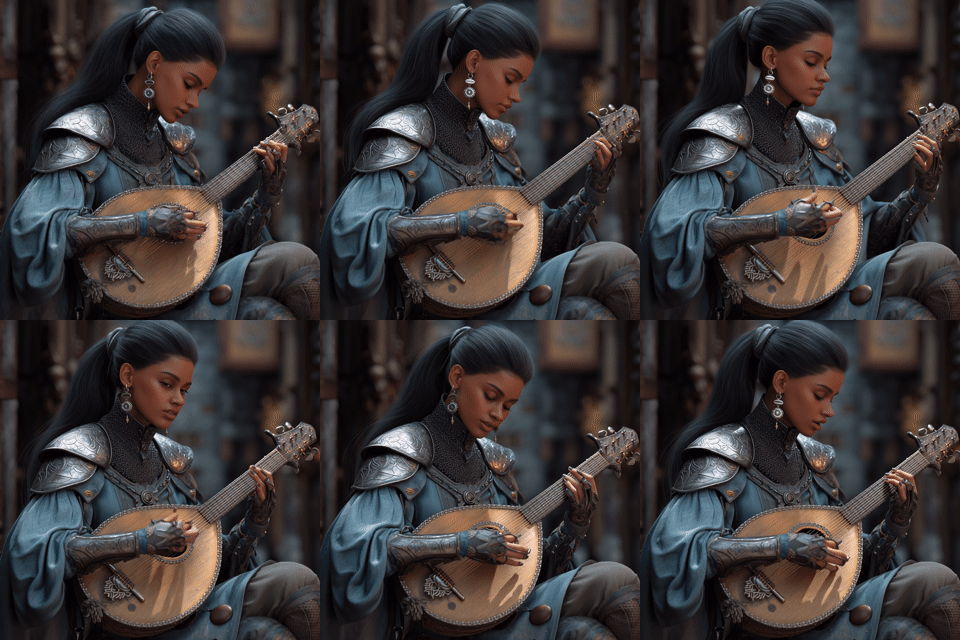
by me with Midjourney
-Gaatha, Lantern of Musselandby me with Hero Forge"Some of our critics claim that a tyrannical king or queen can buy the Lantern's silence simply by spending money on large public exhibitions of art and music. This is not true. Like anything other Gift from the Nine, art and music can be corrupted and turned towards evil uses. Many tyrant rulers are egotists addicted to their own self-aggrandizement. Some rulers use grand works of art as a form of power flexing. We are not fooled or dissuaded by the art patronage of such rulers.That said, we Lanterns are not above flattery and bribery. An evil ruler cannot win our favor by becoming a generous patron of the arts, but more than a few mediocre rulers have won our favor by sponsoring artists."

Lantern Vigilantes
Zarthus charges his followers with uncovering and eliminating hidden or entrenched evils. Most Lanterns interpret this to mean they should target evil people hiding behind their rank and title, but some Lanterns take this charge more literally. A lot of Lanterns are skilled detectives and bounty hunters regularly going after murderers, rapists and thieves. Many Lanterns believe that the common people should be the primary dispensers of justice, not the lords. If you look at any incident of mob justice in Scarterra, you are likely to see a Lantern firebrand as the spark that starts the fire, intentionally or accidentally. Even if the criminal in question is clearly guilty, many feudal lords dislike what is essentially a challenge against their own system of justice, but other lords tacitly approve of Lantern mobs because it means they don't have to risk their own men and treasure going after these criminals. The Lanterns care about the common people and they don't want innocent people to become collateral damage in a wave of mob justice, but mob justice is not very precise. This is a solid reason for feudal Lords and more moderate Lanterns to be opposed to vigilantism in Zarthus' name. Sometimes, lords and Lanterns can work together. Lantern affiliated bounty hunters have a good track record for catching criminals with minimal collateral damage, and they are better than most Scarterran Bounty Hunters at honoring the "or alive" portion of a wanted poster.
Primary Related Location
Important Locations
Related Organizations
What About Lanterns among nomadic peoples?
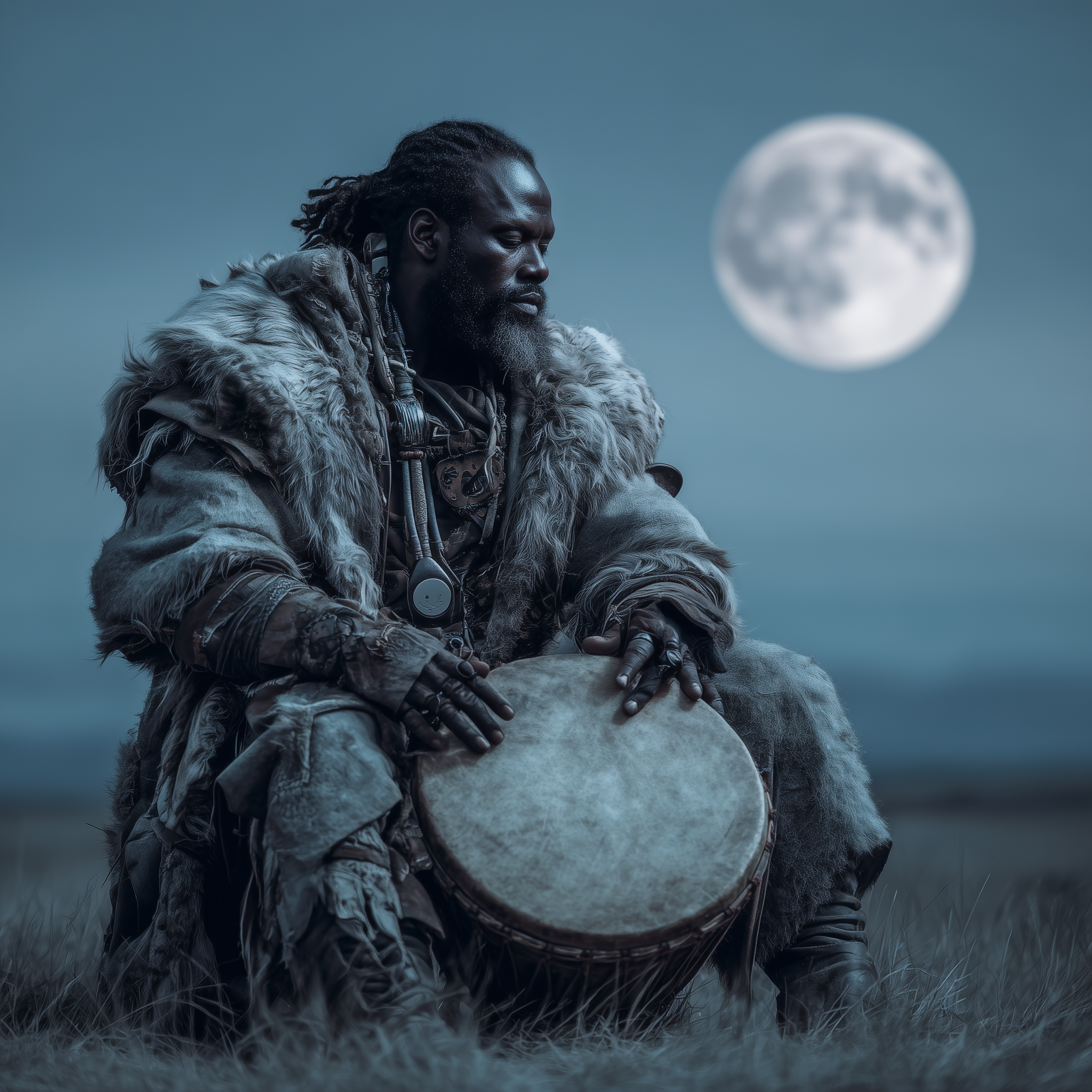
by me with Midjourney
Entry for WorldEmber 2025

Cover image:
by
me with Midjourney
This was actually truly inspirational. In my setting the characters are about to experience their first political upheaval and first elections to a previously monarchical empire and it helped a lot! <3 I will call this the "sister" article of this
The 1st General Elections of the Eldwell Empire
World Anvil Founder, CTO & Product Director
Follow Solspire Chronicles
“No act of kindness, no matter how small, is ever wasted.” - Aesop
Thanks, this is actually part of a ten-part series, including how every major religious group in Scarterra and how Scarterran kings and queens plan strategies around have nine pushy priesthoods making demands on them. The Lanterns are essentially the Chaotic Good faction.